Drainage services in Arncliffe
1000+ five-star reviews
Arncliffe sits low on the Cooks River, an older inner-southern suburb where much of the drainage was laid before the second world war. That mix of ageing clay lines, mature street trees and flood-prone river flats gives the drains a harder life than the houses above them.
Blocked, cracked, surcharging or collapsed, Your Plumber Arncliffe handles the lot.
Drainage is where the suburb's age and its geography meet. Roots find the old earthenware, the ground shifts with the seasons, and the river reminds everyone downhill that water always wins in the end.
- $0 Call Out Fee
- Lifetime Labour Warranty
- Licensed & Insured

- Lic #275278C
- Licensed & Insured
- $0 Call Out Fee
- Lifetime Labour Warranty
- On-Site Fast, 24/7
- 1000+ five-star reviews
- Real Humans Answer, Day or Night
- Lic #275278C
- Licensed & Insured
- $0 Call Out Fee
- Lifetime Labour Warranty
- On-Site Fast, 24/7
- 1000+ five-star reviews
- Real Humans Answer, Day or Night
- Lic #275278CNSW plumbing licence, fully insured, water and gas
- $0 Call Out FeeIt costs nothing to get us to your door
- Lifetime Labour WarrantyIf it's not right, we come back. No questions. No cost.
- 1000+ five-star reviewsSydney homeowners have rated us five stars over a thousand times
1000+ five-star reviews across Sydney. $0 call out fee. And a fixed price before any work begins. The price we quote is the price you pay. No exceptions.
When to call the drainage team in Arncliffe
An old earthenware line tends to give notice before it gives up. Spot the early signs and a straightforward clear stays exactly that, rather than becoming a trenched garden weeks later.
These are the warnings worth acting on.
Fixtures draining slowly or gurgling. A basin that empties reluctantly, a shower recess that pools, or a toilet bubbling as the sink lets go tells you a partial blockage is building somewhere on the line beneath the house.
Water rising after a downpour. A gully brimming, puddles that linger on the lawn, or an overflow that only shows during heavy rain points to stormwater overload or roots throttling the main, both familiar on the low streets toward the river.
An outdoor smell that lingers. A stubborn sewer odour near an inspection opening usually means gas is escaping from a sewer line that has cracked or partly blocked, and it will not clear itself.
The same drain blocking twice. When a drain clears then chokes again within a few weeks, the debris was never the problem, the pipe is. On the old clay lines here that is the moment to put a camera down.
Any of these belongs on this page. Pick the matching service below, or simply call and describe what you are seeing, and a plumber will steer you to the right one.
Fixtures draining slowly or gurgling
A basin that empties reluctantly, a shower recess that pools, or a toilet bubbling as the sink lets go tells you a partial blockage is building somewhere on the line beneath the house.
Water rising after a downpour
A gully brimming, puddles that linger on the lawn, or an overflow that only shows during heavy rain points to stormwater overload or roots throttling the main, both familiar on the low streets toward the river.
An outdoor smell that lingers
A stubborn sewer odour near an inspection opening usually means gas is escaping from a sewer line that has cracked or partly blocked, and it will not clear itself.
The same drain blocking twice
When a drain clears then chokes again within a few weeks, the debris was never the problem, the pipe is. On the old clay lines here that is the moment to put a camera down.
Roots, clay and the Cooks River: what blocks drains here
The story of drainage in this suburb is written in old pipe and old trees. Most of the pre-1940 homes still run their original glazed clay and earthenware sewer lines, and the ground around them has been growing tall trees for just as long.
Roots go where the water is. Mature street trees along the settled roads push fine roots toward the moisture seeping from an aged joint. Once inside, they thicken into a mat that snags paper and grease, and the blockage returns every few weeks until the pipe is sealed.
Clay cracks and shifts. The shale and reactive clay underfoot swells and contracts through the seasons, and rigid earthenware has no give in it. Over decades that movement opens hairline cracks, then wider gaps, and each one becomes a fresh doorway for roots and silt.
Old junctions give way. The points where a branch meets the main are the weakest part of any aged system, and on the pre-war network here those junctions were built from short earthenware sections that shift, drop and part company as the ground moves beneath them.
Silt loads up the low lines. Down on the river flats near Marsh Street and West Botany Street, drains run through soft alluvial soil with little fall, so silt settles where the water slows and the pipe gradually loses its capacity.
Groundwater seeps in. With the water table sitting high across the flats, the soil around a buried line stays permanently damp, so any open joint or crack draws that groundwater straight into the pipe, adding to a load it was never sized to carry.
This is why clearing a blockage is often only the opening move here. The real question is always what the camera finds behind it.
Roots go where the water is
Mature street trees along the settled roads push fine roots toward the moisture seeping from an aged joint. Once inside, they thicken into a mat that snags paper and grease, and the blockage returns every few weeks until the pipe is sealed.
Clay cracks and shifts
The shale and reactive clay underfoot swells and contracts through the seasons, and rigid earthenware has no give in it. Over decades that movement opens hairline cracks, then wider gaps, and each one becomes a fresh doorway for roots and silt.
Old junctions give way
The points where a branch meets the main are the weakest part of any aged system, and on the pre-war network here those junctions were built from short earthenware sections that shift, drop and part company as the ground moves beneath them.
Silt loads up the low lines
Down on the river flats near Marsh Street and West Botany Street, drains run through soft alluvial soil with little fall, so silt settles where the water slows and the pipe gradually loses its capacity.
Groundwater seeps in
With the water table sitting high across the flats, the soil around a buried line stays permanently damp, so any open joint or crack draws that groundwater straight into the pipe, adding to a load it was never sized to carry.
Every drainage service we cover
Every drainage service here runs to its own page carrying the how and the why behind it. Start with whatever fits the trouble you are seeing.
Drainage Repair & Installation
Repairing failed sections and installing new drainage from scratch, from a collapsed clay line under an old cottage to a fresh run for a renovation or a new stormwater path. We fix the cause, not just the symptom, so the same drain does not come back to haunt you a season later.
Blocked Drains
Clearing the slow, gurgling and overflowing drains that mature trees and old pipework create across the suburb. We clear the blockage on the visit, then look hard at why it happened, because on these old lines a blockage that is only cleared is a blockage booked to return next month.
Blocked Sewer
The serious end of a blockage, where waste backs up toward the house and the whole line is at risk of failing. We locate the obstruction, clear it fast, then check the pipe's condition on camera so you know whether it will hold or whether the line needs proper repair.
Stormwater
Managing the run-off that overwhelms the low streets near the river in heavy rain. From clearing surcharged pits to installing proper drainage, pits and pumps, we keep water moving away from the house rather than pooling against a wall or slab where it does real harm.
CCTV Drain Inspections
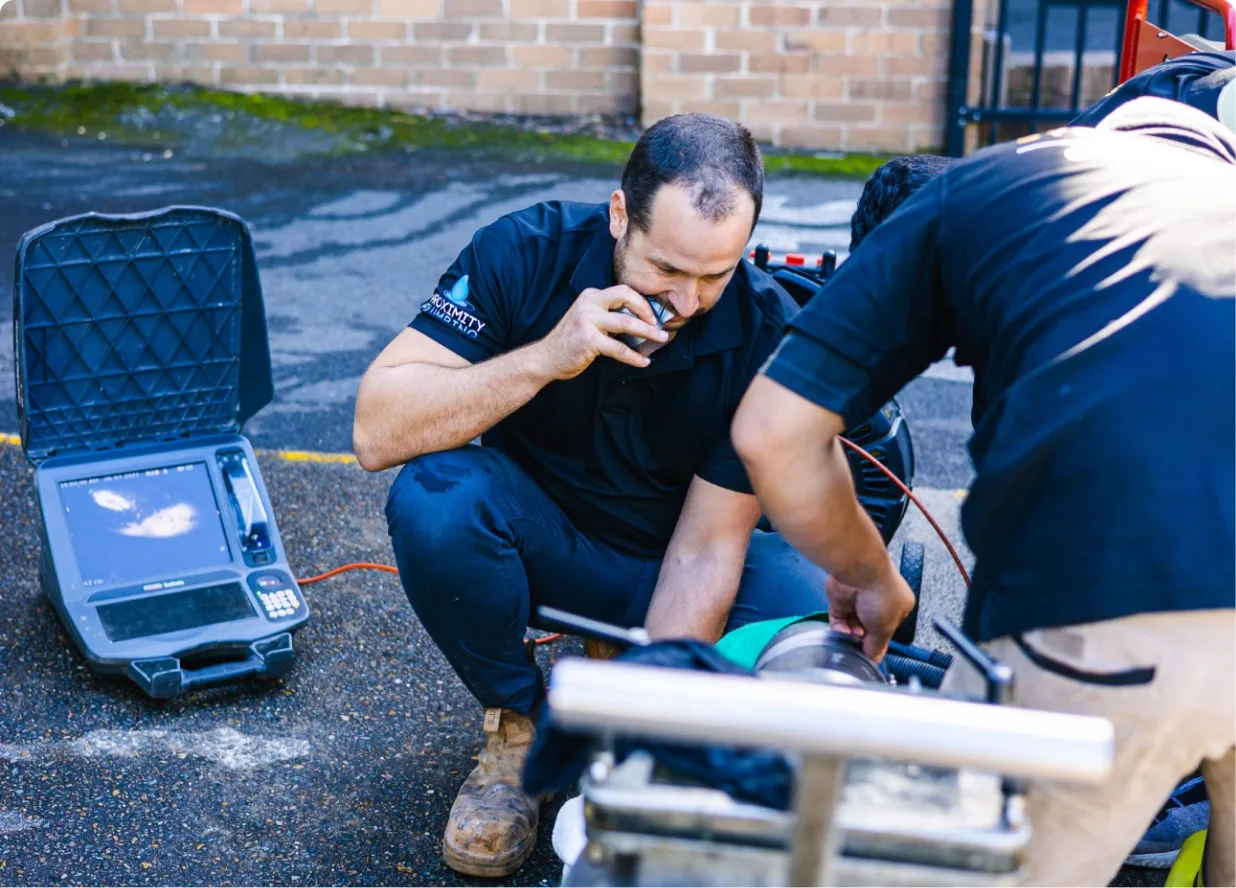
Sending a camera down the line to pinpoint the break, the root mass or the collapse sitting behind a blockage. On the old earthenware here that vision is worth its weight, turning a guessing game into a targeted repair with the problem on screen.
Pipe Relining
Curing a tough new liner inside the old, cracked pipe without trenching the garden. It is the no-dig answer that suits the tight blocks and established gardens of the older homes, restoring flow and sealing roots out for the long term.
When the river and the rain arrive together
The signature drainage challenge in this suburb is not underground at all. It is the sky and the Cooks River meeting on low-lying land that sits too close to the water to argue with a downpour.
The low ground floods. The flats along Arncliffe Street, plus the Barton and Cahill Park reserves, sit barely above the water table, and in a real downpour the ground has nowhere left to put the rain.
The channel surcharges. The Bonnie Doon stormwater channel discharges to the Cooks River through Cahill Park, and when the river is high and the rain is heavy it surcharges, pushing water back up the very drains meant to carry it away.
The system overloads. On the low streets near Wolli Creek the stormwater network simply fills faster than it can empty, so pits overflow, gullies back up, and yards that drain fine most of the year suddenly hold water.
The water table lingers. Even after the rain eases, the saturated ground on the river flats stays waterlogged for days, so drains run sluggish and any crack in a buried line keeps drawing groundwater in long after the storm has passed.
The gully is the front line. For most homes the yard gully is where trouble shows first, and keeping it clear, along with the pits and downpipes feeding it, is the simplest guard against a surcharge finding its way indoors.
Knowing which of these is at play on your block decides the fix, and that is exactly what we work out before quoting anything.
The low ground floods
The flats along Arncliffe Street, plus the Barton and Cahill Park reserves, sit barely above the water table, and in a real downpour the ground has nowhere left to put the rain.
The channel surcharges
The Bonnie Doon stormwater channel discharges to the Cooks River through Cahill Park, and when the river is high and the rain is heavy it surcharges, pushing water back up the very drains meant to carry it away.
The system overloads
On the low streets near Wolli Creek the stormwater network simply fills faster than it can empty, so pits overflow, gullies back up, and yards that drain fine most of the year suddenly hold water.
The water table lingers
Even after the rain eases, the saturated ground on the river flats stays waterlogged for days, so drains run sluggish and any crack in a buried line keeps drawing groundwater in long after the storm has passed.
The gully is the front line
For most homes the yard gully is where trouble shows first, and keeping it clear, along with the pits and downpipes feeding it, is the simplest guard against a surcharge finding its way indoors.
How we diagnose a drain in Arncliffe
Diagnosis comes first and the shovel comes last. Tearing up an old clay line before you know the fault is how a garden gets wrecked for nothing, so we work through a set order every time.
The camera goes first. A CCTV run travels the whole line and puts the trouble on screen, be it a root mass, a hairline crack, a full collapse or plain silt build-up. There is no guessing at what is down there.
The jet clears second. With the fault understood, high-pressure water jetting slices the roots out and scours the line back to bare pipe, so flow returns and the drain can be re-inspected on a clean second pass.
The decision comes third. A sound pipe means the clear was the whole job. A cracked or root-riddled one means weighing relining against an excavated repair, and on these tight period blocks relining usually wins because it leaves the garden untouched.
Camera, then jet, then decide. That sequence is why you only ever pay for the repair a drain genuinely needs, with the price fixed in writing before it begins.
Why the order matters here. Skip the camera on an old earthenware line and you are betting the garden on a hunch. The suburb's blocks are tight, the gardens are established, and a wrong guess costs far more to put right than the inspection ever would.
The camera goes first
A CCTV run travels the whole line and puts the trouble on screen, be it a root mass, a hairline crack, a full collapse or plain silt build-up. There is no guessing at what is down there.
The jet clears second
With the fault understood, high-pressure water jetting slices the roots out and scours the line back to bare pipe, so flow returns and the drain can be re-inspected on a clean second pass.
The decision comes third
A sound pipe means the clear was the whole job. A cracked or root-riddled one means weighing relining against an excavated repair, and on these tight period blocks relining usually wins because it leaves the garden untouched.
Why the order matters here
Skip the camera on an old earthenware line and you are betting the garden on a hunch. The suburb's blocks are tight, the gardens are established, and a wrong guess costs far more to put right than the inspection ever would.
Signs a drain is failing, by property type
The same fault reads differently depending on what sits above the pipe. Knowing the property helps us find the trouble faster.
Older houses. In the older detached houses and semis, recurring blockages, gurgling gullies and patches of greener lawn over the drain line almost always trace back to roots in the original earthenware.
Apartments near the station. In the newer strata blocks, a drainage fault usually shows as a shared problem, a slow common line or a surcharging basement pit, so it needs coordination with the building rather than a single-home fix.
Shops and kitchens. Along the retail strip by the station, the commercial kitchens push grease and volume through their lines, so blockages there are about load and maintenance far more than age.
Homes on the flats. Closer to the Barton Park and Cahill Park low ground, the high water table means a fault shows up first as slow drainage and standing water long before it fully blocks, so the warning window is longer but the underlying cause runs deeper and needs a proper look.
Older houses
In the older detached houses and semis, recurring blockages, gurgling gullies and patches of greener lawn over the drain line almost always trace back to roots in the original earthenware.
Apartments near the station
In the newer strata blocks, a drainage fault usually shows as a shared problem, a slow common line or a surcharging basement pit, so it needs coordination with the building rather than a single-home fix.
Shops and kitchens
Along the retail strip by the station, the commercial kitchens push grease and volume through their lines, so blockages there are about load and maintenance far more than age.
Homes on the flats
Closer to the Barton Park and Cahill Park low ground, the high water table means a fault shows up first as slow drainage and standing water long before it fully blocks, so the warning window is longer but the underlying cause runs deeper and needs a proper look.
What the ground under Arncliffe means for drains
Below the streets, three forces shape every drain in the suburb, and all three pull the same way.
Trees. The mature canopy that makes the older streets pleasant is the same canopy feeding roots into the sewers below. It is a trade-off written into the suburb's character.
Soil. Reactive clay and shale up on the ridge, sand and alluvium down on the flats. Each moves differently, and rigid old pipe cracks wherever the ground refuses to sit still.
Stormwater. The low run toward the Cooks River means water gathers here rather than draining away, so any weakness in a buried line gets found by the next big storm.
Season. Autumn drops leaf litter and fine root growth under the mature trees, then summer brings the storms that surcharge the low lines, so the drains face a fresh test with every turn of the year.
Read together, these are why a local plumber who knows the ground beats a guess every time.
Trees
The mature canopy that makes the older streets pleasant is the same canopy feeding roots into the sewers below. It is a trade-off written into the suburb's character.
Soil
Reactive clay and shale up on the ridge, sand and alluvium down on the flats. Each moves differently, and rigid old pipe cracks wherever the ground refuses to sit still.
Stormwater
The low run toward the Cooks River means water gathers here rather than draining away, so any weakness in a buried line gets found by the next big storm.
Season
Autumn drops leaf litter and fine root growth under the mature trees, then summer brings the storms that surcharge the low lines, so the drains face a fresh test with every turn of the year.
Why no-dig relining suits these blocks
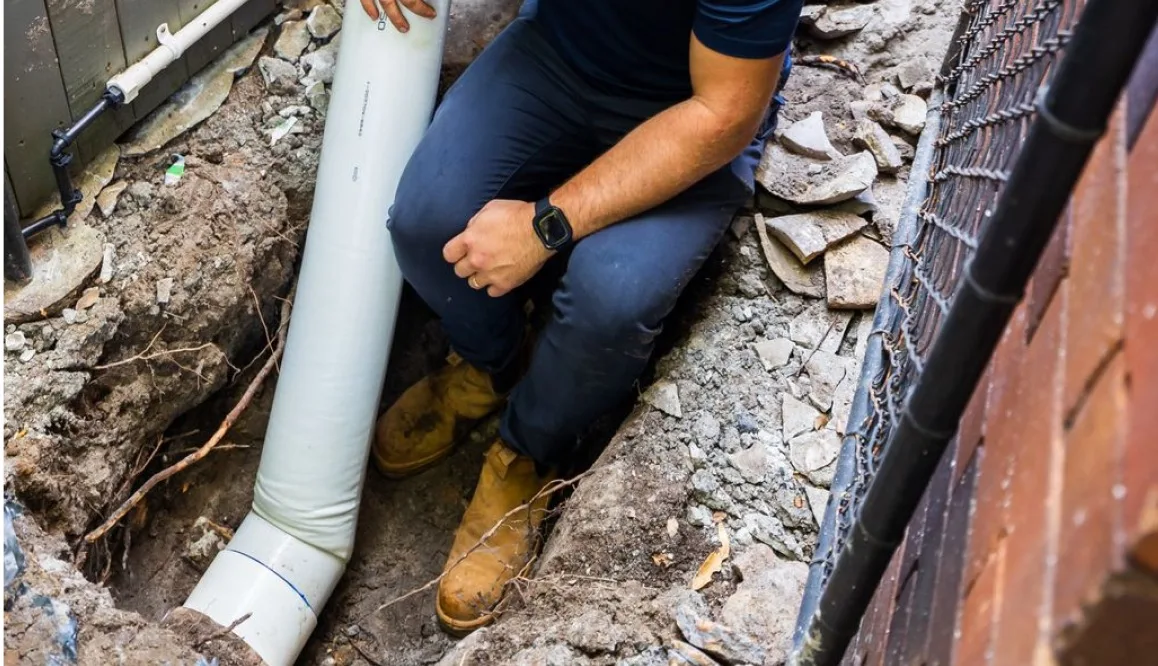
On a wide new estate you can trench a failed drain, drop in fresh pipe and turf it over without much thought. The older streets here do not offer that luxury, which is why relining earns its place so often.
The blocks are tight
The gardens are established
The result lasts
Relining is not the answer to every failed drain, and a full collapse still needs excavation. But on the faults these homes actually develop, it spares the garden and settles the problem in one visit.

How it works
How a drainage job works
- 01
Call us and talk to a plumber
Speak to a licensed plumber, not an answering machine. Tell us what's going on and we'll tell you what happens next.
- 02
We turn up when we say we will
Your plumber arrives on time, in a stocked van, ready to start, not ready to have a look and come back next week.
- 03
Fixed price before we lift a spanner
You get the full price in writing before any work begins. No surprises, no obligation. If you say no, that's fine. The call out cost you $0.
- 04
Fixed right, backed for life
The work is done properly, tested, and covered by our Lifetime Labour Warranty. If it's not right, we come back. No questions. No cost.
Why choose Your Plumber Arncliffe
The price we quote is the price you pay. No exceptions
Every job is priced upfront, in writing, before work starts. Weekend or weekday, day or night, with no overtime surprises.
$0 Call Out Fee
Getting us to your door costs nothing. You only ever pay for work you've approved.
Licensed & insured, Lic #275278C
Every plumber on the team is fully licensed and insured. Your compliance certificates are sorted, every time.
Lifetime Labour Warranty
Our workmanship is guaranteed for life. If it's not right, we come back. No questions. No cost.
Fair, upfront pricing. No surprises.
Upfront fixed pricing. No hourly surprises.
We don't charge by the hour, and we don't do estimates that grow. Your plumber assesses the job, gives you a fixed written price, and that's what you pay. The price we quote is the price you pay. No exceptions.
- $0 call out: the assessment and quote cost you nothing
- One fixed price, in writing, before any work begins
- No overtime rates: nights and weekends priced the same way
- Card, cash and payment plans accepted
No surprises, no obligation. If the price doesn't work for you, you owe us nothing.
The price we quote is the price you pay. No exceptions.
Good questions, straight answers
Drainage questions Arncliffe locals ask
Why do drains block so often in the older streets here?
Mature street trees send roots into the original earthenware and clay sewer lines under the pre-war homes, and once a joint cracks the roots and silt keep coming back until the pipe itself is fixed.
My yard floods near the Cooks River whenever it pours, what causes that?
Low land along the river and Wolli Creek sits on a high water table, and in heavy rain the stormwater system surcharges near Cahill Park, backing water up into yards and gullies.
Do I need a camera inspection before any digging starts?
In most cases yes, because a CCTV inspection shows exactly where and why a drain has failed, so the repair is aimed at the real fault rather than guessed at by digging up a whole run.
Can a cracked clay drain be fixed without digging up the garden?
Often it can, through pipe relining, which cures a new pipe inside the old one, a real advantage on the tight blocks and mature gardens common across the suburb's older homes.
Where does my responsibility for the drain end?
You are responsible for the pipes on your property up to the boundary, and past that point the line becomes Sydney Water's, and a camera inspection makes it clear which side a blockage sits on.
Do you charge to come out and quote a drainage problem?
There is no call out fee at all, it is $0, so a plumber inspects the drain, prices the repair in writing, and you walk away owing nothing at all if the quote does not suit you.
Plumbing, hot water and emergencies, covered too
Drains are only one part of a working home. For the taps, toilets and renovations up above the ground, our general plumbing work has the house covered.
A failing tank or a cold shower is a job for the hot water team, and when a drain backs up in the middle of the night, emergency plumbing answers on the spot. The full picture waits over on home.
Need a plumber in Arncliffe? We're ready now.
Call (02) 9072 0502 and speak to a licensed plumber, not an answering machine, 24/7, including weekends and public holidays. Prefer a callback? Leave your details and we'll call you back fast, day or night.
Call (02) 9072 0502. $0 call out, fixed price before any work begins.